As “Kissinger” sprawls across two nights on PBS, an irony appears.
The documentary (9-10:30 p.m. Monday and Tuesday, Oct. 27-28) includes Richard Nixon’s unsuccessful efforts to plug leaks and muzzle the press. Agents tapped reporters’ homes, reporting on mundane conversations.
And now, 50-some years later? This film is sort of the last survivor of a successful muzzling.
Bitter about PBS’ occasional news coverage, Donald Trump stripped away all of its federal funding. That left producers scrambling; the acclaimed “American Experience” series was suspended.
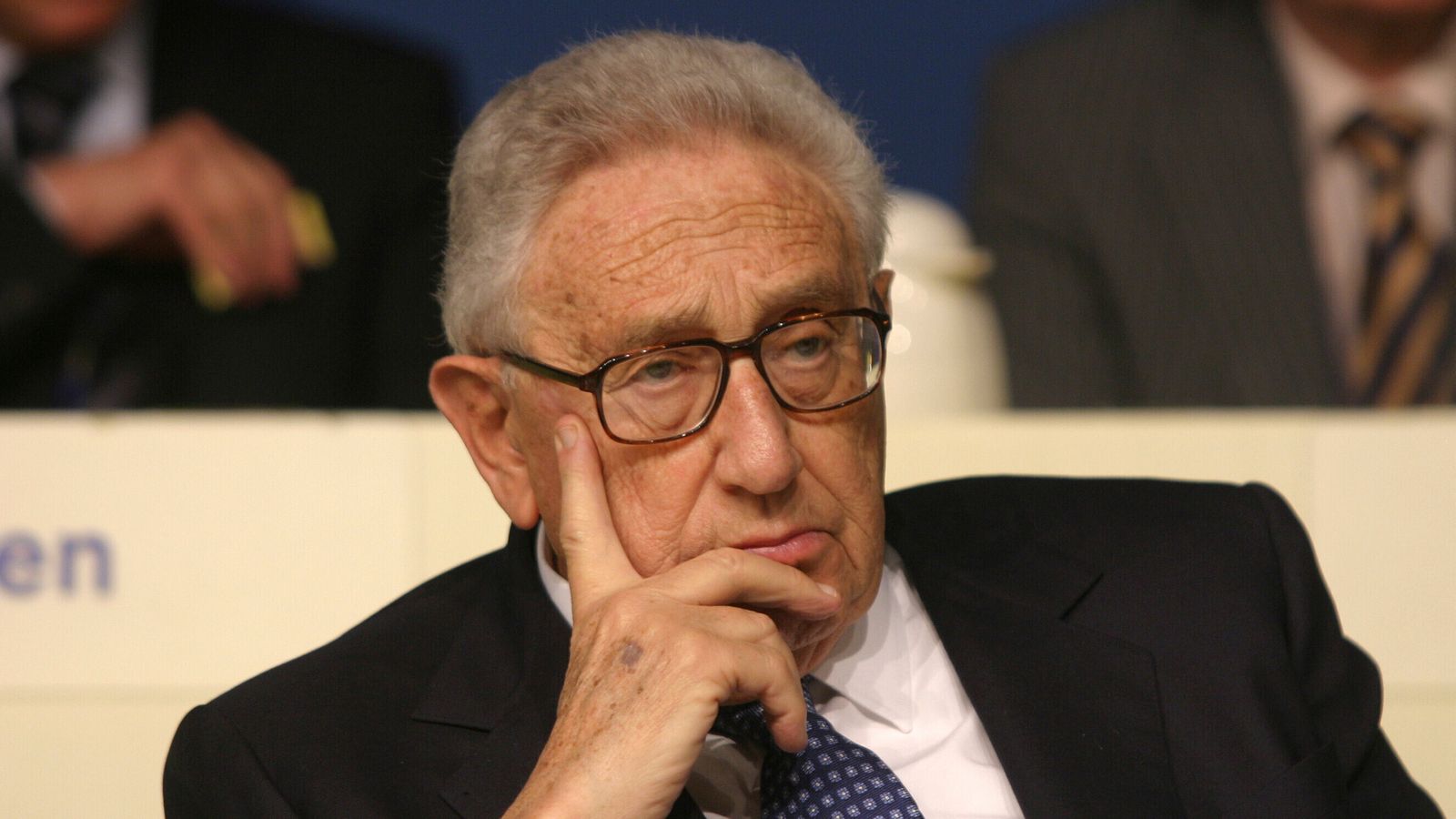
Its final shows (for now) were last month’s “Hard Hat Riot” and, now, a profile of Henry Kissinger (shown here). Others in the works — including ones about the national highway system and the GI Bill — are in limbo.
That silences one of TV’s most honored shows. It has drawn 14 Peabody Awards, three Academy Award nominations and 43 Emmy nominations, winning 12 times. Lately, it’s had shows with breezy subjects — the Monopoly game, the disco era, the Polaroid inventor — and tough ones, including the war on smog and the birth of the American Disabilities Act.
Now this final film (for now) is everything you expect from a documentary. It’s balanced, with ample time for the late Henry Kissinger’s friends and foes, and for Kissinger himself (via news clips) and his son. And it’s a compelling portrait of an enigma.
A German-born Jew, Kissinger left with his family just before the Holocaust.
He was Harvard-educated and high-IQ, with an ability to charm. He jokingly dubbed himself a “secret swinger,” then dated actresses. And he quickly became the center of Nixon’s foreign policy.
On one hand, his work in the Middle East was extraordinary. After two years of shuttle diplomacy, he brought an agreement with the key players in Egypt and Israel. Magazine covers heralded him, one calling him “Super K”; he won the Nobel Peace Prize.
On the other hand? Like others — from Lyndon Johnson to Nixon and beyond — he found Vietnam overwhelming.
Early on, the film says, Nixon and Kissinger realized the Vietnam war was unwinnable and they had to get out. But their efforts to find “peace with honor” involved expanding the war. There was:
— A fierce bombing of Cambodia, where the North Vietnamese had been moving men and supplies. When it began, the film says, this was a peaceful nation with a popular leader; afterward, it had a brutal regime that evacuated its cities and killed one-fifth of its people.
— Collateral damage in another country. Kissinger needed Pakistan as a jumping off point for negotiations; the American government said nothing as people in what was then East Pakistan (and now Bangladesh) were killed.
— Increased bombing in South Vietnam, spreading to the North and Hanoi.
Unrelated to Vietnam, there was the Nixon/Kissinger policy toward Chile.
Fearing it would lose its grip on South America, the U.S. began undermining Chile’s economy. Inflation soared, there was a military takeover, President Salvador Allende committed suicide and the country became a dictatorship.
Those events offer the dark side of this brilliant enigma. The bright side included Kissinger molding peace in the Mideast and engineering Nixon’s trip to China. It included a man who continues to charm people, up to his death two years ago, at 100.
Added up, you have a complex story. To tell it, you need a show like “American Experience” — which, after Tuesday, will be reduced to showing reruns.
Kissinger film: History repeats, “Experience” fades
As “Kissinger” sprawls across two nights on PBS, an irony appears.
The documentary (9-10:30 p.m. Monday and Tuesday, Oct. 27-28) includes Richard Nixon’s unsuccessful efforts to plug leaks and muzzle the press. Agents tapped reporters’ homes, reporting on mundane conversations.
And now, 50-some years later? This film is sort of the last survivor of a successful muzzling.
Bitter about PBS’ occasional news coverage, Donald Trump stripped away all of its federal funding. That left producers scrambling; the acclaimed “American Experience” series was suspended.
Its final shows (for now) were last month’s “Hard Hat Riot” and, now, a profile of Henry Kissinger (shown here). Others in the works — including ones about the national highway system and the GI Bill — are in limbo. Read more…